
Construction & Contracting in Salt Lake City, UT
Local Custom Home Builder Expertise
Building custom homes across Salt Lake City, UT requires expertise in local codes, terrain, and neighborhood character. Custom Home Builder | Salt Lake City, UT services demand understanding Salt Lake's unique challenges—from seismic design requirements along the Wasatch Fault to managing drainage on valley and foothill lots. This page covers what's involved in building custom homes in Salt Lake, how we approach each project, and why local knowledge matters for your build.
How We Work
Your custom home build follows a clear sequence from site review through final walkthrough.
What's Involved
Every custom build in Salt Lake unfolds in phases. Below are the core steps that guide your project from start to finish.
Site Survey & Permits
We evaluate your lot for drainage, soil type, and seismic factors. Salt Lake's building code mandates a geotechnical survey for most sites, especially on hillsides in Cottonwood Heights or Draper where slope matters.
Design & Engineering
We finalize plans with your architect or in-house design team, then route through Salt Lake City Building Services. Standard review takes two to three weeks depending on plan complexity and current permit queue.
Foundation & Grade
Site prep and foundation pour are sensitive to Salt Lake's wet seasons. We schedule pours to avoid spring runoff and winter delays. Drainage systems ensure clay soils and proximity to water sources won't cause settling.
Framing & Systems
Walls, roof, and MEP rough-ins proceed with staged inspections. Seismic bracing and high-wind anchoring are standard in Salt Lake to meet Utah building codes on Category D and E sites.
Finish & Inspection
Drywall, flooring, trim, and finishes follow. Final inspections cover electrical, plumbing, and mechanical before we hand off your keys. We schedule final walkthrough to confirm all details.
Closeout & Warranty
We document all permits, inspections, and warranties. One-year warranty covers defects in workmanship and materials. We remain available for any punch-list adjustments.
You'll always know what's happening next—and when.
Our Services
We specialize in residential construction tailored to Salt Lake's terrain, codes, and lifestyle.
Custom Home Construction
From ground-up builds on valley lots to complex hillside designs in Holladay or the Cottonwood Heights east bench, we design and build homes that work for your site. Contemporary farmhouse, mountain modern, and traditional styles all thrive in Salt Lake neighborhoods. Seismic design is built in, not added later.
- Valley-floor and foothill lot expertise
- Wasatch Fault seismic compliance
- Drainage planning for clay and wet soils
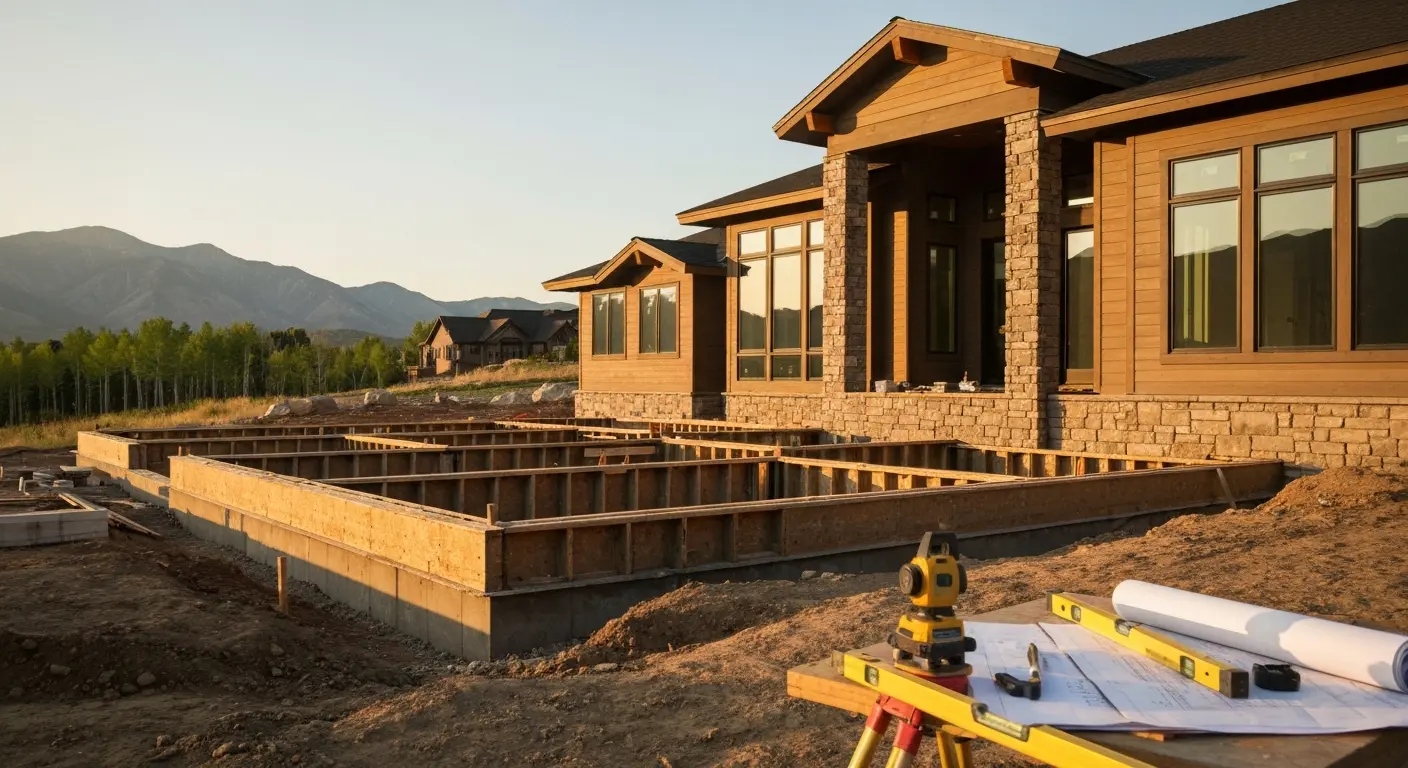
New custom home build in East Bench neighborhood with mountain views and secure foundation engineering.
House Additions
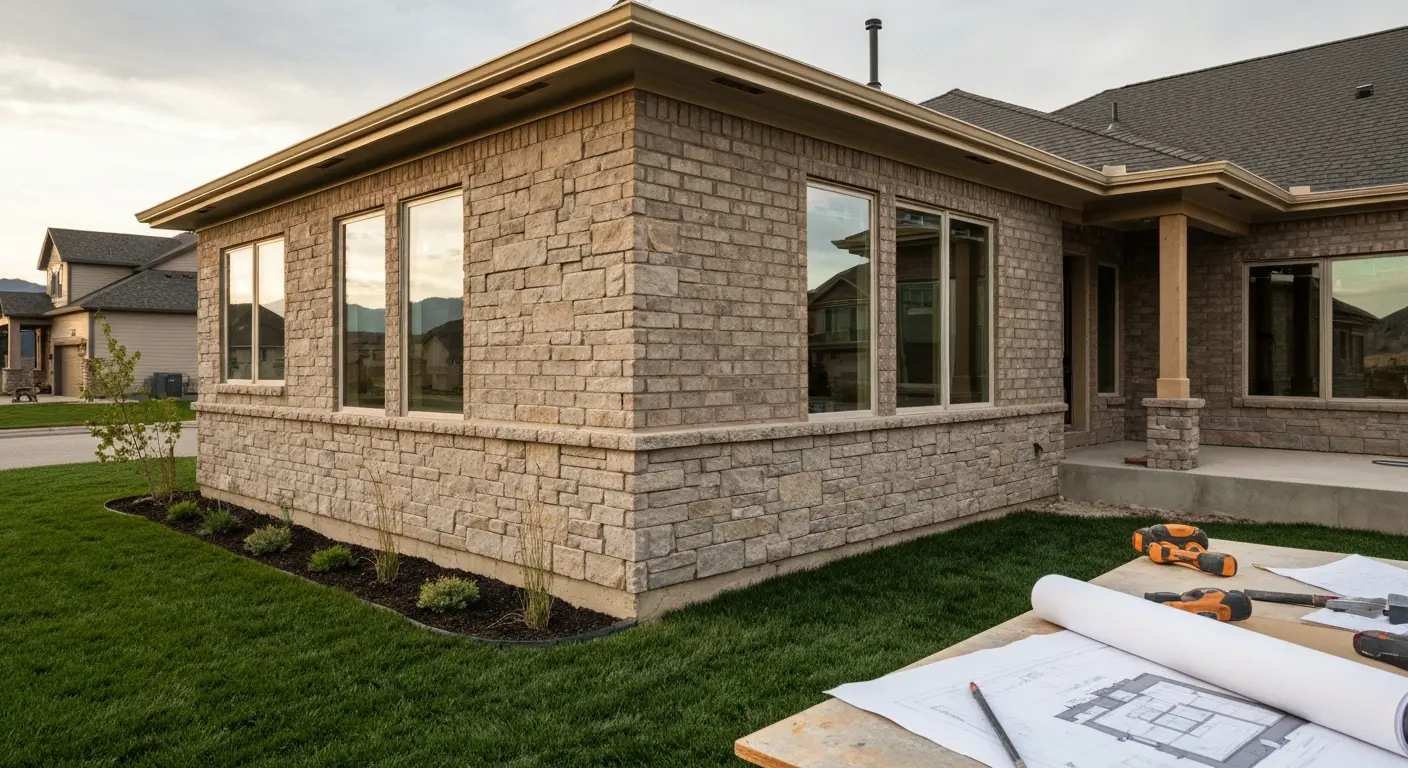
Master suite addition to established home in Draper, matching neighborhood character and existing structure.
Adding square footage to your existing home means working within Sugarhouse, Cottonwood Heights, or Holladay lot setback rules. We tie new sections into old utilities, manage foundation transitions, and ensure seismic upgrades to tie-in walls. Neighborhood architectural harmony guides our design.
- Master suites and bonus rooms
- Utility coordination and upgrades
- Setback and zoning compliance
Shop Construction
Whether it's a detached garage, workshop, or accessory building, Salt Lake zoning rules for secondary structures are strict. Roof height limits and building coverage caps vary by zone. We navigate these rules so your shop fits your lot and serves your needs without setback issues.
- Garages and workshop spaces
- Compliant height and coverage limits
- Utility runs and foundation design
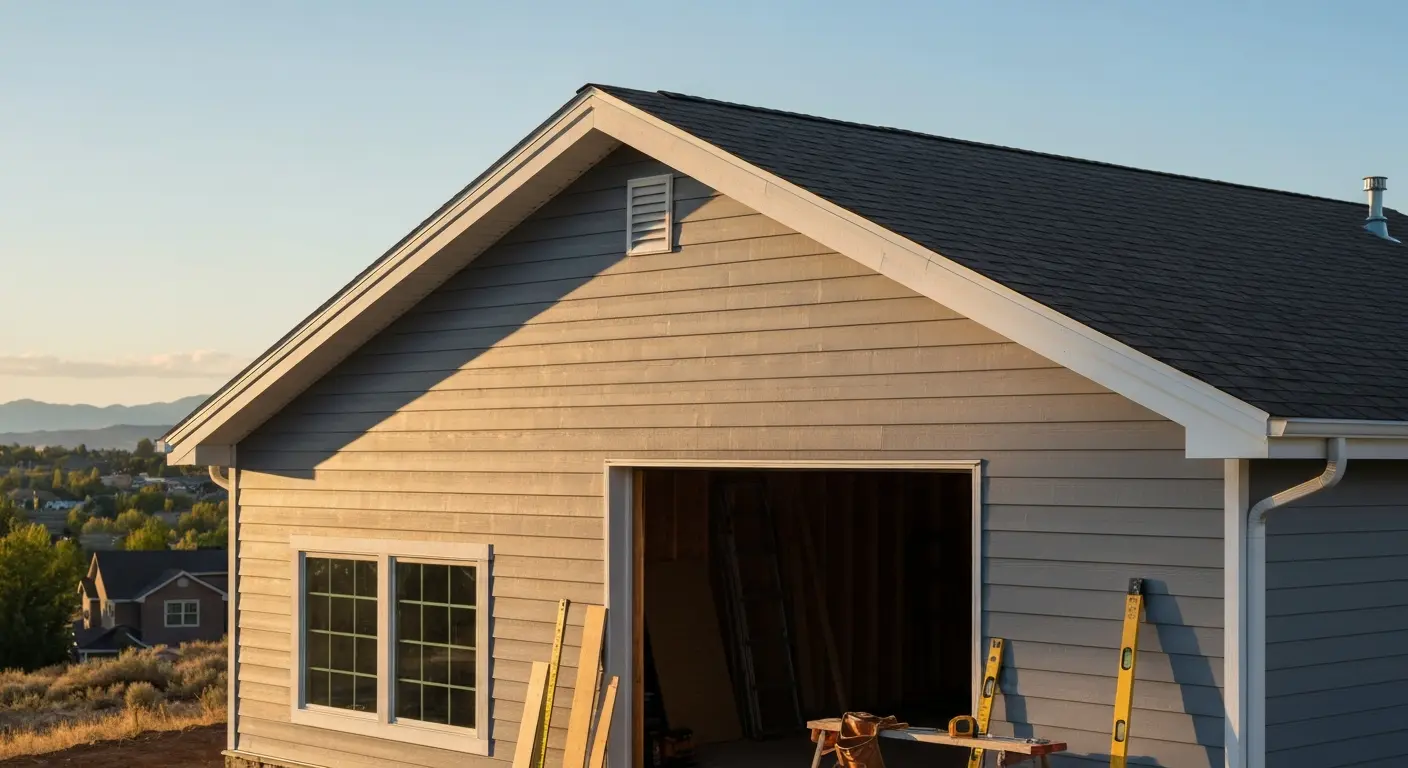
Detached shop with compliant roof height, built for a property in Salt Lake County foothills.
Why Local Expertise Matters
Salt Lake City custom building isn't the same as building elsewhere. Local knowledge protects your investment.
Seismic & Soil Design
The Wasatch Fault runs directly through Salt Lake. All new homes must meet Category D or E seismic design standards. We embed bracing, foundation anchoring, and tie-downs from day one, not as a retrofit.
Drainage & Water Management
Spring snowmelt and clay soils create drainage headaches. Valley-floor lots near Great Salt Lake and foothill properties face different challenges. We size drainage systems to match your actual site hydrology.
Neighborhood Integration
Every neighborhood has its own zoning rules and character. Cottonwood Heights prioritizes large lots with mountain views. Draper values foothill access. Sugarhouse has infill-specific setbacks. We match your design to place.
Over 500 custom homes and additions completed across Salt Lake County. We've learned what works on east-bench hillsides, what fails on valley clay, and how to navigate Salt Lake City Building Services faster than first-timers.
Coverage Area
We serve Salt Lake City and the surrounding metro area with equal expertise.
Neighborhoods & Nearby Areas
We've built homes throughout Salt Lake Valley. East Bench neighborhoods like Cottonwood Heights and Draper bring hillside engineering complexity. Valley neighborhoods like Sugarhouse and The Avenues demand tight site planning. South areas like Holladay and older Draper offer large-lot options with mature trees. North Salt Lake and Bountiful residents benefit from our understanding of foothill-adjacent zoning. We work equally across incorporated Salt Lake City and Greater Salt Lake Municipal Services District zones.
Cottonwood Heights & East Bench
The 'City Between the Canyons' sits near Big and Little Cottonwood Canyons with direct ski resort access. Hillside lots here demand slope engineering and drainage expertise. Mountain views justify careful site design.
Draper
Salt Lake's southernmost foothills area blends older neighborhoods with newer subdivisions. Spacious cul-de-sac lots and larger acreage invite both traditional ranch and contemporary farmhouse styles. Proximity to tech hubs adds value.
Holladay & Millcreek
Post-war ranches sit on large, tree-filled lots. Wide streets and utility setbacks reflect a quieter, suburban feel. Historic preservation guidelines apply to some blocks. Contemporary additions must respect established architecture.
Sugarhouse & The Avenues
Central-city infill requires tight site management and neighbor coordination. Smaller lots, older utilities, and walkable street character dominate. Additions here often mean vertical expansion and shared-wall challenges.
Sandy & South Salt Lake
South Valley communities offer affordability and growing development potential. Transitional neighborhoods attract new construction and renovation investment. Proximity to outdoor recreation remains a strong draw.
Getting Here
Based in Salt Lake City, we're within 30 minutes of every major neighborhood. Cottonwood Heights is 15 minutes southeast via I-215. Draper is 20 minutes south on I-15. North Salt Lake is 20 minutes north. Call to schedule a site visit for your project.
Frequently Asked Questions
What seismic upgrades does a Salt Lake custom home need?
All Salt Lake homes must meet Category D or E seismic design standards per Utah code. This includes foundation anchoring, shear-wall bracing, cripple-wall reinforcement, and roof tie-downs. We design these into your home from the start.
Why does drainage matter on Salt Lake lots?
Valley clay soils and spring snowmelt runoff create settling risk. East-bench hillside lots face steep runoff. We scope drainage with a geotechnical survey early to avoid expensive foundation repairs later.
How long does the Salt Lake City permit process take?
Standard plan review runs two to three weeks. Complex hillside or seismic-sensitive sites may take longer. Building Services reviews roughly 33 building and 38 fire projects at a time, so timing depends on queue depth.
What zoning rules apply to additions in Cottonwood Heights?
Cottonwood Heights has setback, lot coverage, and height limits tied to your specific zone. Large lots and mountain-view preservation guide what's allowed. We review your site's zoning designation before recommending scope.
Can I build a detached shop with height restrictions?
Secondary accessory buildings in Salt Lake have flat-roof limits of 8 feet and peak-roof limits of 10 feet in most zones. Specialized zoning may allow taller structures. We verify your lot's rules and design within them.
Do hillside homes in Draper require special engineering?
Yes. Sloped lots in Draper's foothill neighborhoods demand geotechnical study, slope stability analysis, and foundation design that matches soil bearing capacity. We invest in this upfront to avoid settlement and structural problems.
DISCOVER WHAT OUR CUSTOMERS HAVE TO SAY ABOUT US
REVIEWS
proudly serving these areas
Utah County, UT
Salt Lake City, UT
Springville, UT
Provo, UT
Eagle Mountain, UT
American Fork, UT
Orem, UT
Sandy, UT
READY TO take the next step?
get a free quote TODAY!
QUICK LINKS
our services
service areas
operating HOURS
Mon: 8:00 am - 6:00 pm
Tue: 8:00 am - 6:00 pm
Wed: 8:00 am - 6:00 pm
Thu: 8:00 am - 6:00 pm
Fri: 8:00 am - 6:00 pm
Sat: Closed - Closed
Sun: Closed - Closed